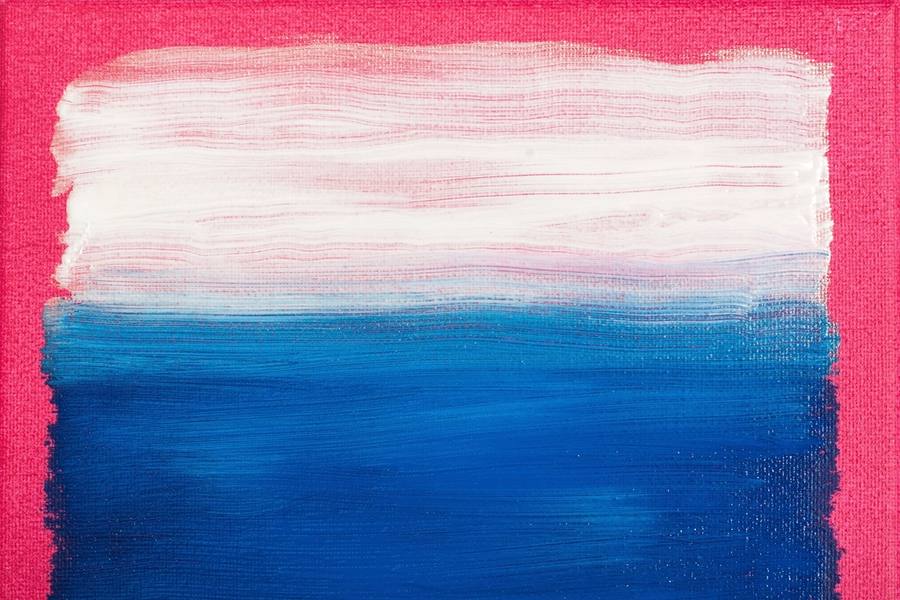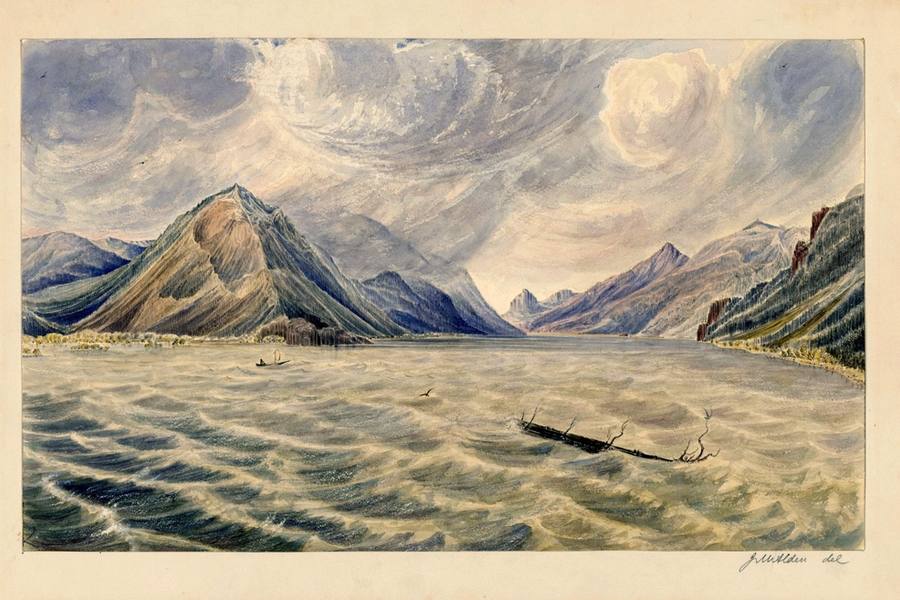
Representative image (stock photo); not the exact product.
Fast Drying Cuts Both Ways
Acrylic dries within minutes, which means layers can be painted over almost immediately and a painting can be built up in a single session.
It also means blending on the canvas has a very short window, and paint left on a palette skins over and is wasted while work continues.
Almost every technique difference between acrylic and oil traces back to that single property, and anybody moving from oils finds it the hardest adjustment.
Stay-Wet Palettes And Retarders
A stay-wet palette uses a damp membrane over a reservoir to keep paint workable for hours or days rather than minutes, which addresses waste directly.
Retarder medium slows drying on the canvas and extends the blending window, at the cost of weakening the paint film if used heavily.
Neither is optional for anybody working slowly, and a beginner frustrated by acrylics drying too fast is usually missing one or both.
Heavy Body Against Fluid
Heavy body acrylic holds brush and knife marks and behaves like oil paint in consistency, which suits impasto and textured work.
Fluid acrylic flows and levels itself, which suits detail, glazing and anything needing smooth flat colour.
Most starter sets supply a middle consistency that does neither especially well, and knowing which you want prevents a set that fights the intended approach.
Colour Shift On Drying
Acrylic dries slightly darker than it appears wet, because the binder is white when wet and clear when dry, and student paints shift more than artist ones.
Matching a colour to an already dried passage therefore requires mixing slightly lighter than looks correct, which is unintuitive and catches everybody at first.
That shift is also why touching up a dried area rarely matches invisibly, and painting a whole passage is more reliable than patching one.
Brushes And Cleaning
Acrylic dries in brushes as readily as on canvas, and a brush left even briefly is permanently ruined once paint has cured in the ferrule.
Synthetic brushes suit acrylic and survive the frequent washing it demands, and natural hair brushes are damaged by it over time.
Keeping a water pot within reach and washing immediately rather than at the end is the habit that preserves brushes, and it is the commonest expensive lesson.
Surfaces are more forgiving than with most media, since acrylic adheres to canvas, wood, board, paper, fabric and most primed surfaces without difficulty. Unprimed paper absorbs the binder and leaves the colour dull and sunken, which a coat of gesso prevents entirely and costs very little. That flexibility is a genuine advantage over oils, which need a properly prepared and sealed ground to avoid degrading the support over years.
Varnishing is the finishing step most beginners skip, and an isolation coat followed by a removable varnish protects a surface that otherwise collects dust into a slightly tacky film.
The Verdict
A versatile and forgiving medium where the fast drying that makes it practical is also the thing that must be managed.
Blending windows are short, paint dries darker, and a brush left for minutes is permanently ruined.
Buy a stay-wet palette with the paint. Without one you waste most of what you squeeze out.
At a glance
Pros
- Layers can be overpainted within minutes
- Works on canvas, board, paper and more
- Water clean-up with no solvents
- Heavy body and fluid ranges suit different techniques
Cons
- Very short blending window on the canvas
- Paint skins over on the palette and is wasted
- Dries darker than it looks wet
- Ruins brushes left even briefly
Frequently asked questions
Why does my paint dry before I can blend?
That is acrylic working as designed, and it is the hardest adjustment coming from oils. A stay-wet palette keeps paint workable for hours and a retarder medium extends the window on the canvas.
Why does the colour change as it dries?
The binder is white when wet and clear when dry, so acrylic dries slightly darker. Matching a dried passage means mixing lighter than looks right, and touching up rarely matches — repaint the whole passage.
What brushes should I use?
Synthetic, which survive the frequent washing acrylic demands where natural hair is damaged over time. Wash immediately rather than at the end — paint cured in the ferrule ruins a brush permanently.
Specifications
| Type | Acrylic paint set |
| Defining property | Dries in minutes |
| Essential accessory | Stay-wet palette |
| Retarder | Extends blending; weakens film if overused |
| Heavy body | Holds brush and knife marks |
| Fluid | Levels itself; glazing and detail |
| Colour shift | Dries darker than it appears wet |
| Brushes | Synthetic; wash immediately |
The bottom line
Fast drying is the whole medium, good and bad. Buy a stay-wet palette alongside or you waste most of the paint.
Check Price on Amazon