Fountain Pen Friendly Notebook

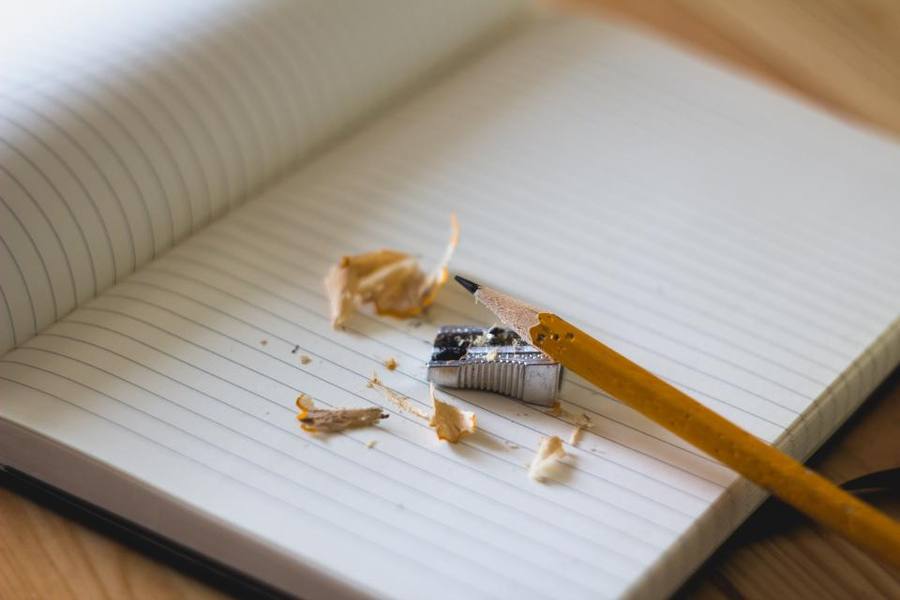
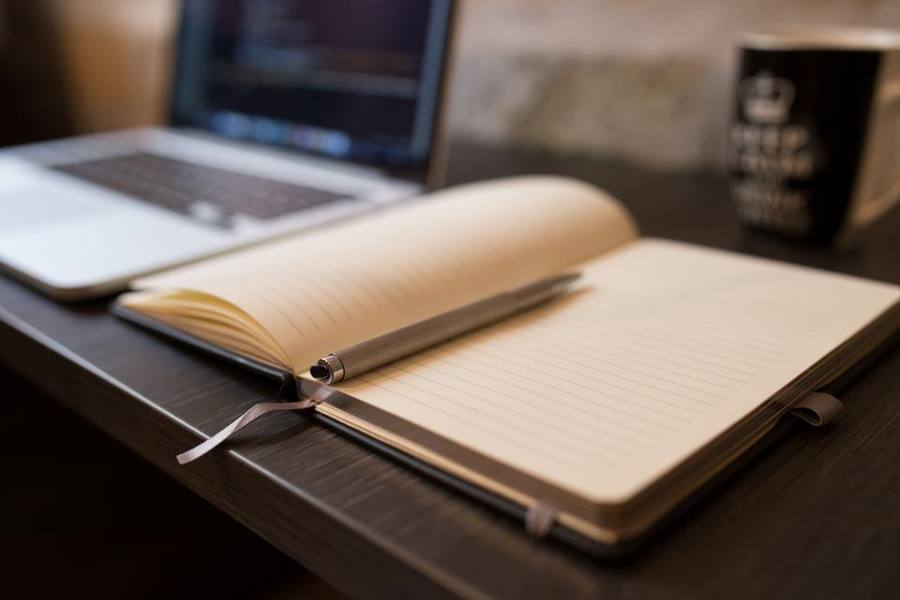
Representative image (stock photo); not the exact product.
Ordinary Paper Ruins Fountain Pen Ink
Absorbent office paper draws ink into the fibres, which spreads a line outward in a process called feathering and turns crisp writing into a furred blur.
It also lets ink soak through, so the reverse of a page is unusable and the writing on it shows through, which halves a notebook's capacity.
That is why people who try a fountain pen on printer paper conclude the pen is faulty, when the paper is the variable that actually changed.
Coated Paper Keeps Ink On The Surface
Notebook papers made for fountain pens have a smooth coating that keeps ink sitting on the surface rather than wicking into the fibres.
That produces a crisp line, allows shading and sheen to develop, and prevents bleed-through onto the reverse of the page.
It also feels different to write on — smoother and with less drag — which for anybody writing at length is noticeable within a page.
Paper colour affects how ink appears considerably, with cream paper warming colours and softening contrast where bright white shows them accurately and can be harsher under artificial light over a long session.
Drying Time Is The Trade
Ink sitting on a coated surface takes considerably longer to dry than ink absorbed into ordinary paper, which means smudging is a genuine risk.
For left-handed writers whose hand follows the writing across the page, that is a real problem and is worth addressing with faster-drying inks or a fine nib.
Blotting paper is the traditional answer and remains effective, and simply waiting a few seconds before turning a page addresses most of it.
Ghosting is the term for writing showing faintly through from the reverse without actually bleeding, which most papers do to some degree and heavier papers do less.
Weight And Binding
Paper weight in grams per square metre indicates thickness, and heavier paper resists bleed-through better and makes a notebook thicker for the same page count.
Coating matters as much as weight, and a well-coated lighter paper can outperform a heavier uncoated one for fountain pen use.
Binding that allows a notebook to lie flat matters enormously for writing, since a page that curls up requires holding it down with the non-writing hand throughout.
Ruling And Layout
Line spacing should suit handwriting size and nib width, and a broad nib on narrow ruling produces overlapping lines that are difficult to read.
Dot grid has become popular because it provides guidance without visible lines through finished writing, which suits both writing and diagrams.
Plain paper suits sketching and anybody whose handwriting does not need guidance, and it is considerably harder to write straight on than people expect.
Testing before committing matters, since paper behaviour with a specific ink and nib combination is difficult to predict from specifications alone. Many retailers sell single notebooks or sample sheets, and writing a line on one before buying a stack avoids discovering a whole box of notebooks that feathers with your favourite ink.
The Verdict
The component that most determines whether fountain pen writing looks good, mattering considerably more than the pen itself does.
Coated paper dries slowly and smudges, heavy paper makes thick notebooks, and narrow ruling suits fine nibs only.
Change the paper before changing the pen. Feathering and bleed-through are paper problems, not pen problems.
At a glance
Pros
- Keeps ink on the surface, producing crisp lines
- Allows shading and sheen to develop
- No bleed-through, so both sides are usable
- Smoother to write on over long sessions
Cons
- Slower drying means smudging, especially for left-handers
- Heavier paper makes a thicker notebook
- More expensive than ordinary notebooks
- Narrow ruling unsuitable for broad nibs
Frequently asked questions
Why does my fountain pen write badly?
Almost certainly the paper. Absorbent office paper draws ink into the fibres, spreading the line outward into a furred blur and soaking through to the reverse. The pen is fine; the paper is the variable.
What is the downside of good paper?
Drying time. Ink sitting on a coated surface takes considerably longer to dry, which means smudging — a real problem for left-handers whose hand follows the writing. Faster-drying inks and finer nibs help.
What ruling should I choose?
Match line spacing to your handwriting and nib width, since a broad nib on narrow ruling overlaps and becomes hard to read. Dot grid gives guidance without visible lines through finished writing and suits diagrams too.
Specifications
| Paper | Coated, fountain pen friendly |
| Prevents | Feathering and bleed-through |
| Trade | Considerably slower drying |
| Left-handers | Faster-drying ink or a fine nib |
| Weight | Higher gsm resists bleed better |
| Binding | Must lie flat for comfortable writing |
| Ruling | Match line spacing to nib width |
| Dot grid | Guidance without visible lines |
The bottom line
Change the paper before the pen. Feathering and bleed-through are paper problems, and good paper costs little.
Check Price on Amazon